
SEO Keywords: Maskandi culture, Zulu identity Maskandi music, Maskandi heritage South Africa, Maskandi storytelling, Zulu traditional music Maskandi
Introduction
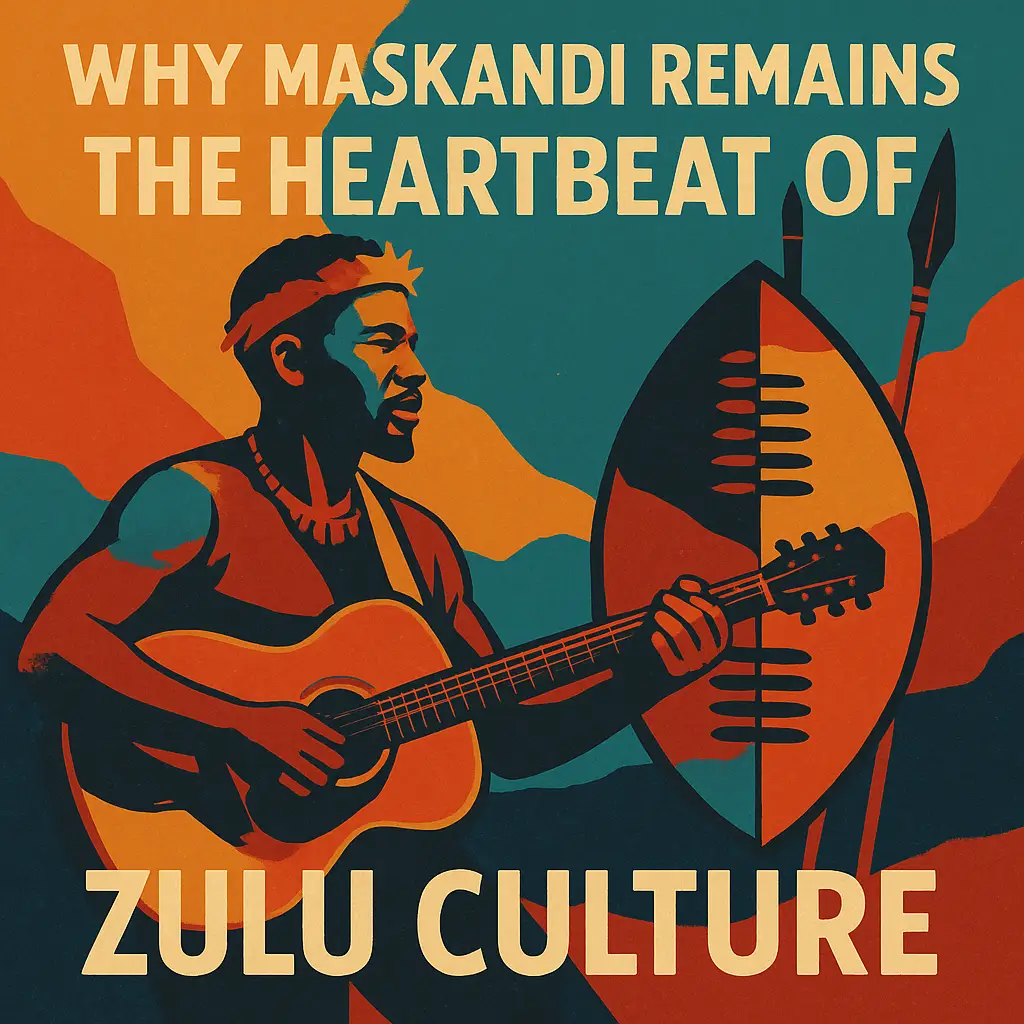
Maskandi is more than music — it is a deep expression of Zulu life, identity and history. Rooted in the rural landscapes of KwaZulu-Natal and carried into city spaces, the genre captures the voices, journeys and pride of the Zulu people. In this article we explore how Maskandi continues to be the heartbeat of Zulu culture, why it endures and how it connects generations.
The Cultural Roots of Maskandi
Maskandi (also spelled Maskanda) emerged in South Africa as a form of Zulu folk music, often described as the “Zulu blues”. Afropop+2Wikipedia+2 It grew out of the lives of migrant labourers who travelled from KwaZulu-Natal to places like Johannesburg and Durban, carrying a guitar, their stories and a yearning to connect with home. African Music Videos+1
The term itself stems from the Afrikaans musikant meaning musician — reflecting the syncretic origins of the genre. electricjive.blogspot.com+1 Maskandi songs typically begin with a virtuoso guitar flourish known as “izihlabo” and often include rapid spoken Zulu praise-poetry called “izibongo”. Unisa Press Journals+1
So from the beginning, Maskandi has been a vessel for Zulu narrative, communal identity and cultural continuity.
Storytelling, Life and Identity in Lyrics
At its core Maskandi is a storytelling genre. Artists sing of family, migration, love, marriage, struggle, rural life and urban change. Through the lyrics they give voice to Zulu lives and history. For example, the late Phuzekhemisi (Zibokwakhe Johnstone Mnyandu) used his music to speak about class, land reform, and rural communities. Wikipedia
The use of izibongo in Maskandi is significant: these rapid-spoken praises serve both as celebration and critique of social and political issues. Scholars note that Maskandi izibongo articulate experiences of poverty, migration and identity in powerful, poetic form. journal.ru.ac.za
This is why the genre resonates deeply: it is cultural memory, social commentary and personal reflection wrapped in music.
HPreservation of Zulu Heritage and Language
Maskandi’s use of isiZulu language, traditional guitar techniques and praise‐poetry means it helps preserve Zulu heritage. As some older traditions fade, the songs become cultural archives—stories in sound. ResearchGate In modern times, the genre allows younger Zulu people to connect with roots in a rapidly changing society.
Because Maskandi is both traditional and adaptable it holds a unique place: not museum-music, but living culture.
Adaptation, Renewal and New Generations
While deeply traditional, Maskandi has also evolved. According to recent reports, younger audiences (under 35) are rediscovering Maskandi especially as it merges with genres like amapiano, hip-hop and gospel. Spotify+1 This fusion helps the genre stay relevant, widen its reach and keep Zulu cultural voices alive in new formats.
This means Maskandi is not stuck in the past—it is renewing, reinventing, and remains the cultural heartbeat by adapting to new generations and media.
Why Maskandi Matters for Zulu Culture
- Voice to the people: Maskandi gives ordinary Zulu lives a platform. It was born in migrant hardship, rural life and urban transitions—its authenticity is its strength.
- Language and identity: It anchors the isiZulu language in popular music and keeps Zulu cultural identity visible.
- Intergenerational bridge: Youth today may not grow up in rural KwaZulu-Natal, but through Maskandi they can still feel connected to their heritage.
- Social commentary: The songs are not just entertainment—they often critique politics, inequality and modern changes, making Maskandi culturally relevant.
- Cultural preservation and innovation: By balancing tradition with adaptation, the genre carries the past into the future in meaningful ways.
Conclusion
For the Zulu people and for South Africa’s musical landscape, Maskandi remains more than a genre—it is the heartbeat of a culture. From rural roots to modern stages, from ukuzwa (listening) on taxis to streaming playlists, Maskandi continues to carry stories, identity, language and change. When you listen to Maskandi you are not just hearing music—you are experiencing Zulu life, memory and hope.
Internal links to create: